
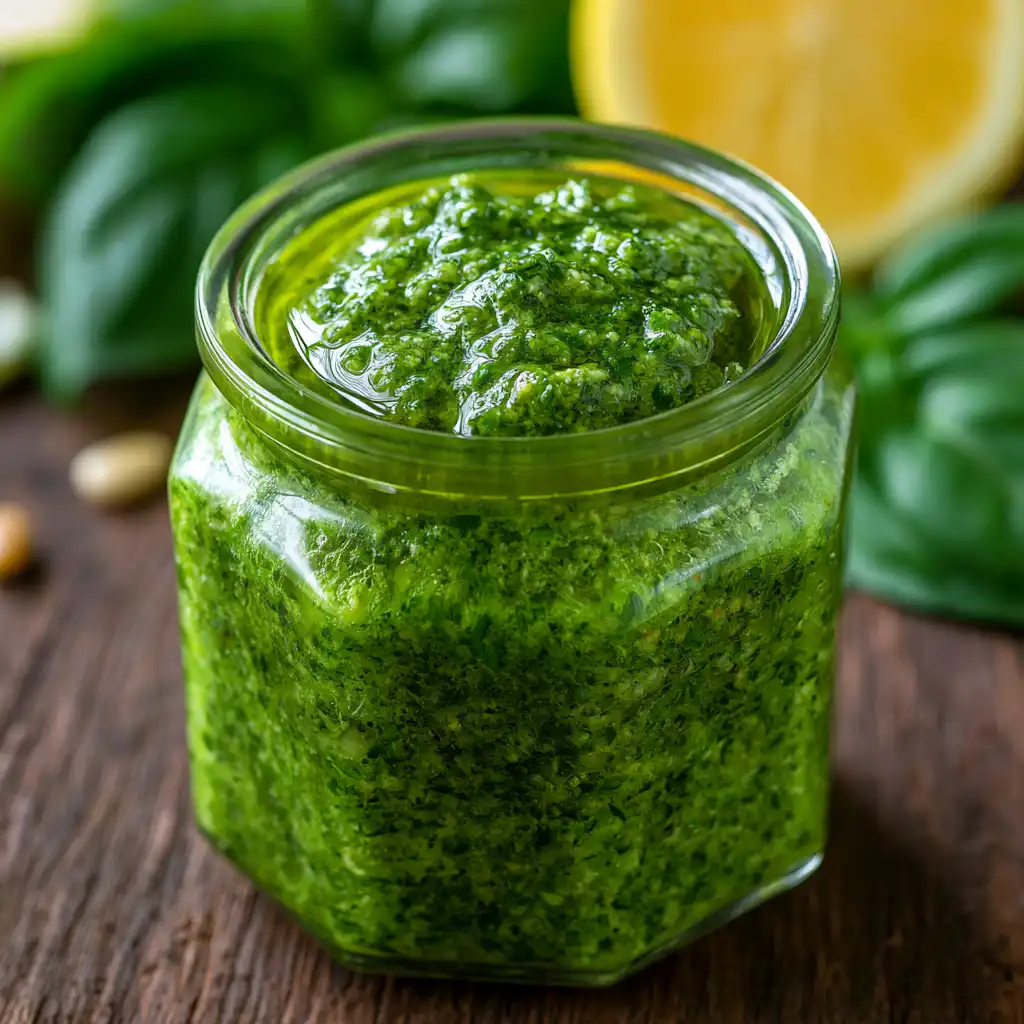
There are some recipes that just instantly transport you, and for me, this Basil Pesto Recipe is one of them. The smell of fresh basil, garlic, and pine nuts blending together takes me straight back to warm summer evenings, enjoying dinner al fresco with family. It’s such a bright, vibrant, and incredibly versatile sauce that truly elevates almost any dish. This isn’t just any pesto; it’s my go-to, fool-proof recipe that always turns out perfectly.
Why You’ll Love This Basil Pesto Recipe
- It’s ridiculously quick and easy to make – seriously, just a few minutes!
- The flavor is so fresh and vibrant, a true taste of summer sunshine in every bite.
- It’s incredibly versatile, perfect for pasta, sandwiches, eggs, or even as a dip.
- You can customize it easily to your taste preferences.
Ingredients You’ll Need
- Fresh Basil Leaves: These are the star of the show! Make sure they’re vibrant green and fresh for the best flavor.
- Shredded Parmesan Cheese: Adds a salty, umami depth. Freshly shredded is always best, but pre-shredded works too.
- Extra Virgin Olive Oil: Use a good quality one here, as its flavor really shines through. It helps create that smooth, luscious texture.
- Pine Nuts: They add a subtle richness and a lovely texture. You can lightly toast them for a deeper flavor, but it’s not essential.
- Garlic Cloves: Essential for that classic pesto punch! Two large cloves give it just the right amount of zing.
- Lemon Juice: This brightens everything up and keeps the pesto from oxidizing too quickly. Freshly squeezed is a must!
- Salt and Black Pepper: These are your flavor enhancers. Always taste and adjust to your preference.
How to Make Basil Pesto Recipe Step by Step
First things first, you’ll want to get your basil leaves ready. Give them a good wash under cool water and then make sure they are completely dry. I always use a salad spinner for this; it makes the job so much easier and ensures your pesto isn’t watery. Trust me, dry basil is happy basil!
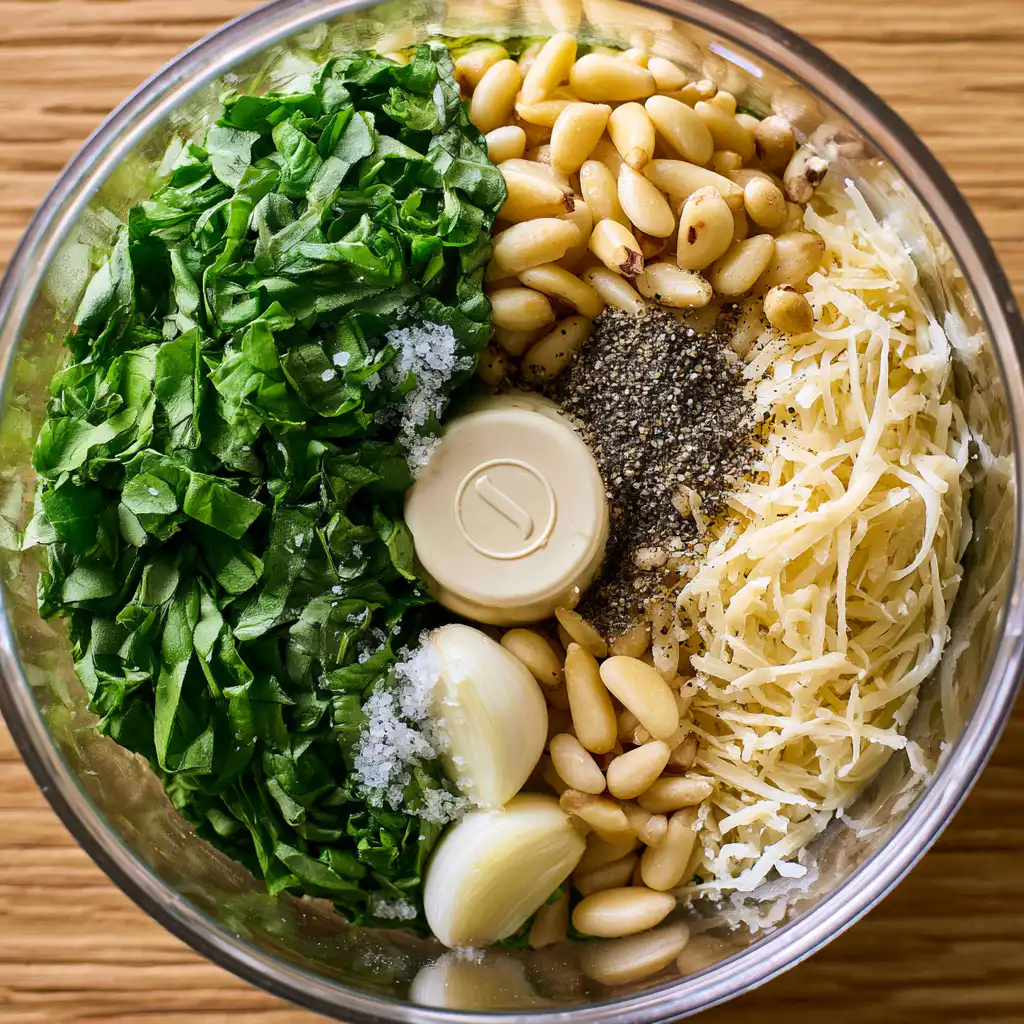
Now, this is where the magic happens and it’s so simple! Grab your food processor and toss in all the ingredients: your clean, dry basil, the shredded parmesan cheese, pine nuts, those lovely garlic cloves, the fresh lemon juice, your good quality olive oil, and finally, the salt and pepper. Don’t worry if it looks like a lot at first.
Now, just process everything until it’s beautifully smooth. You might need to scrape down the sides of the bowl a time or two to make sure everything gets incorporated. Once it’s smooth and creamy, give it a little taste. If you feel it needs a bit more oomph, add a tiny bit more salt. And just like that, you’ve made incredible homemade pesto!
My Top Tips for Success
- I always make sure my basil is super dry after washing. Excess water can make your pesto watery and less flavorful.
- In my experience, using fresh lemon juice makes a huge difference in brightening up the flavors and keeping the pesto vibrant.
- Trust me on this one: taste your pesto before serving and adjust the salt. Everyone’s preference is different!
- Don’t over-process the pesto. You want it smooth, but not completely liquified; a little texture is nice.
Common Mistakes to Avoid
- Using wet basil: This makes your pesto watery and can dilute the flavor. Always ensure your basil is thoroughly dry after washing.
- Over-processing: Blending for too long can heat the pesto, dulling the fresh basil flavor and sometimes making it bitter. Process just until smooth.
- Not tasting and adjusting seasoning: Salt is crucial for flavor. Always taste your pesto and add more salt if needed before serving.
- Using old or low-quality ingredients: Since pesto has so few ingredients, the quality of each really shines through. Use fresh basil, good olive oil, and fresh parmesan.
How to Store Basil Pesto Recipe
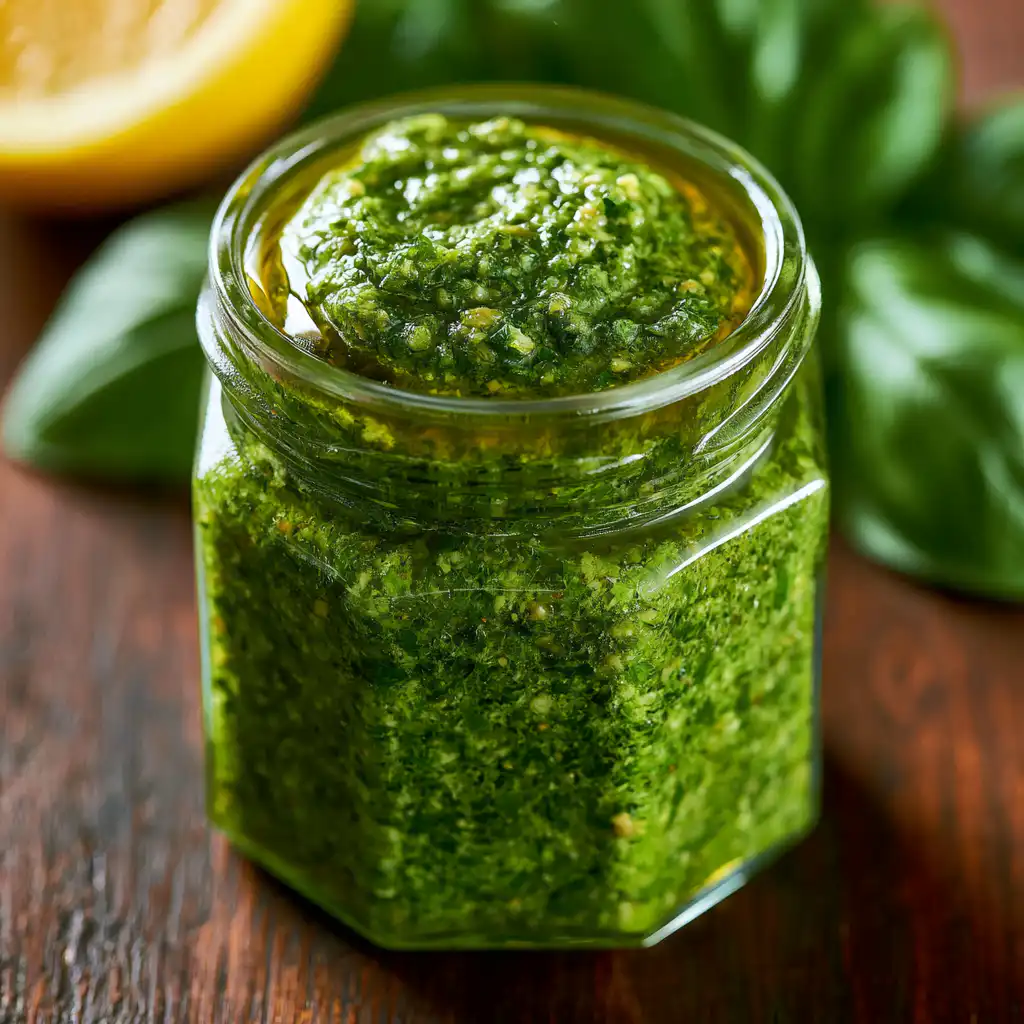
- Refrigerator: Will last up to 5-7 days in an airtight container. Pour a thin layer of olive oil on top to prevent browning.
- Freezer: Can be frozen for up to 3-4 months. Freeze in ice cube trays, then transfer cubes to a freezer-safe bag.
Frequently Asked Questions
Can I substitute a different nut for pine nuts?
Yes, you can! While pine nuts are traditional, walnuts or almonds can be used as a substitute if you don’t have pine nuts on hand. The flavor will be slightly different but still delicious.
Why did my pesto turn brown?
Pesto can turn brown due to oxidation, especially when exposed to air. To prevent this, always store it in an airtight container and pour a thin layer of olive oil over the top before sealing.
How can I make this pesto dairy-free?
To make this pesto dairy-free, you can simply omit the Parmesan cheese. You might want to add a little extra salt or nutritional yeast for a cheesy flavor substitute.
Can I make this without a food processor?
While a food processor makes it incredibly easy, you can make pesto with a mortar and pestle for a more rustic texture. It will require more effort but yields a wonderful result.
I genuinely hope this Basil Pesto Recipe brings a burst of fresh flavor to your kitchen and your meals! It’s such a simple way to elevate so many dishes. Give it a try, and I’d absolutely love to hear how you enjoy this vibrant Basil Pesto Recipe!
Basil Pesto Recipe
Ingredients
Method
- Wash basil leaves thoroughly.
- Dry the basil leaves completely, using a salad spinner if available.
- Place the dried basil leaves into a food processor.
- Add the shredded parmesan cheese to the food processor.
- Add the pine nuts to the food processor.
- Add the large garlic cloves to the food processor.
- Pour in the fresh lemon juice.
- Add the extra virgin olive oil.
- Sprinkle in the salt.
- Add the black pepper.
- Process all ingredients until the mixture is smooth.
- Taste the pesto for seasoning.
- Add more salt to taste if desired and process briefly to combine.
Notes
Use fresh lemon juice for the best bright flavor.
Taste and adjust salt before serving for perfect seasoning.
Store with a thin layer of olive oil on top to prevent browning.